Understanding Urinary Incontinence and How Physical Therapy Can Help
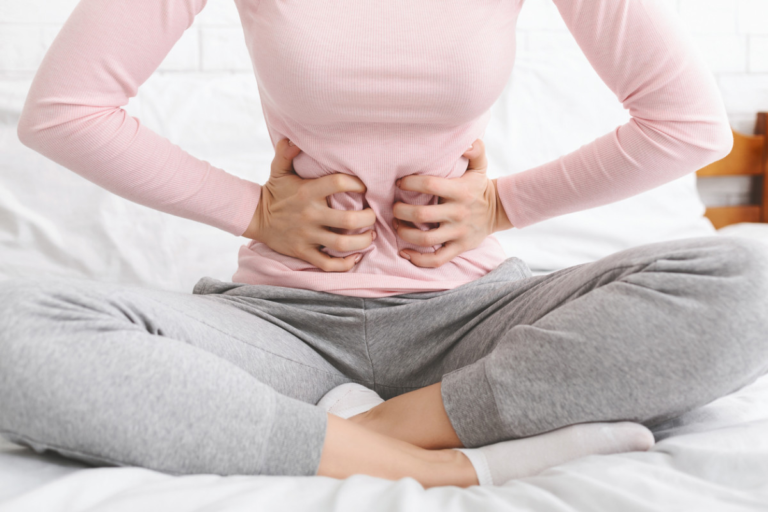
Urinary incontinence is a common condition that affects millions of people worldwide, yet many individuals hesitate to seek treatment because of embarrassment or the misconception that it is simply a normal part of aging. In reality, urinary incontinence is often treatable, and early intervention can significantly improve quality of life. From occasional urine leakage during exercise to a sudden, strong urge to urinate, the condition can interfere with daily activities, work, social events, and overall confidence.
Fortunately, evidence-based physical therapy has become one of the most effective non-surgical treatment options for many types of urinary incontinence. By addressing the underlying causes rather than simply managing symptoms, physical therapy helps individuals regain bladder control and return to their normal routines.
What Is Urinary Incontinence?
Urinary incontinence is the involuntary leakage of urine. It can affect both men and women, although women are more commonly affected due to pregnancy, childbirth, and hormonal changes.
The most common types include:
- Stress incontinence
- Urge incontinence
- Mixed incontinence
- Overflow incontinence
- Functional incontinence
Each type has different causes, making a professional evaluation essential for determining the most appropriate treatment.
Common Causes
Several factors may contribute to urinary incontinence, including:
- Pregnancy and childbirth
- Weak pelvic floor muscles
- Aging
- Obesity
- Pelvic surgery
- Neurological conditions
- Chronic coughing
- High-impact physical activities
Understanding the underlying cause allows healthcare professionals to create a personalized treatment plan.
How Physical Therapy Helps
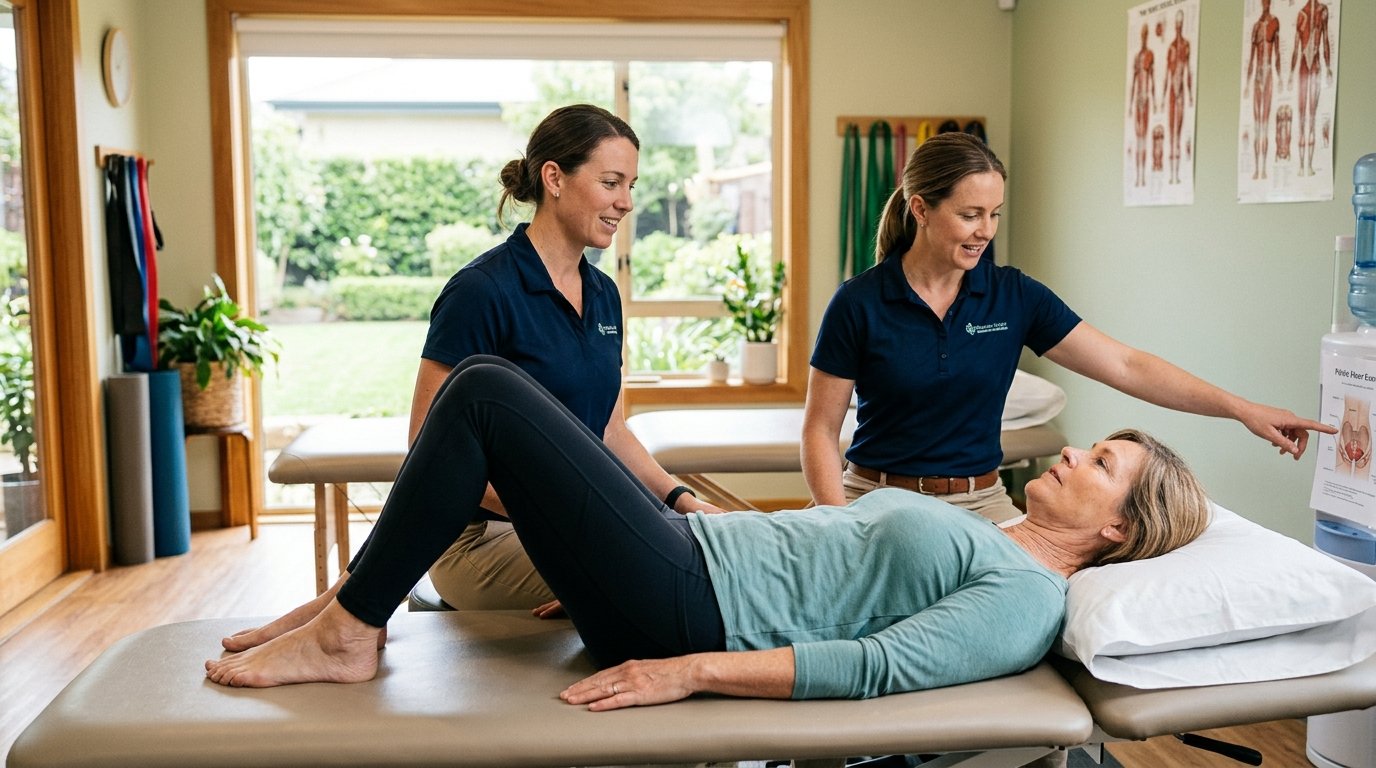
Pelvic floor physical therapy focuses on strengthening and improving the coordination of the muscles that support the bladder, bowel, and pelvic organs. Treatment may include targeted exercises, breathing techniques, posture correction, manual therapy, and education about healthy bladder habits.
Many patients notice gradual improvements in bladder control, reduced leakage episodes, and increased confidence after following a structured therapy program.
Benefits of Early Treatment
Seeking treatment early can prevent symptoms from becoming more severe and improve long-term outcomes. Physical therapy offers several advantages, including:
- Non-surgical treatment
- Drug-free symptom management
- Improved pelvic floor strength
- Better bladder control
- Increased confidence in daily activities
- Enhanced quality of life
For many individuals, conservative treatment is highly effective before considering more invasive options.
Finding Specialized Care
Choosing a provider with experience in pelvic health is important because urinary incontinence often requires specialized assessment and treatment techniques. Clinics that focus on evidence-based pelvic floor rehabilitation can develop individualized care plans based on each patient’s symptoms and lifestyle.
Many patients seeking treatment for Incontinence Mount Pleasant SC choose providers with expertise in pelvic health rehabilitation to receive personalized care designed to improve bladder function and overall well-being.
Lifestyle Changes That Support Recovery
Physical therapy is often most effective when combined with healthy lifestyle habits. Patients may benefit from:
- Maintaining a healthy weight
- Limiting bladder irritants such as caffeine
- Staying properly hydrated
- Practicing pelvic floor exercises consistently
- Avoiding smoking
- Following healthy bathroom habits
These simple changes can enhance treatment outcomes and reduce symptom recurrence.
When to Seek Professional Help
Urinary leakage should never be ignored simply because it is common. Anyone experiencing persistent symptoms, discomfort, or changes in bladder control should consult a qualified healthcare professional.
Learning more about treatment options through Rebecca’s Physical Therapy can help individuals understand how specialized pelvic floor therapy may improve bladder control and support long-term recovery.
Conclusion
Urinary incontinence can affect physical health, emotional well-being, and daily confidence, but effective treatment is available. Pelvic floor physical therapy offers a safe, evidence-based approach that addresses the root causes of bladder control problems while helping patients regain independence.
With professional guidance, personalized treatment, and healthy lifestyle habits, many individuals can successfully manage urinary incontinence and enjoy a higher quality of life.