

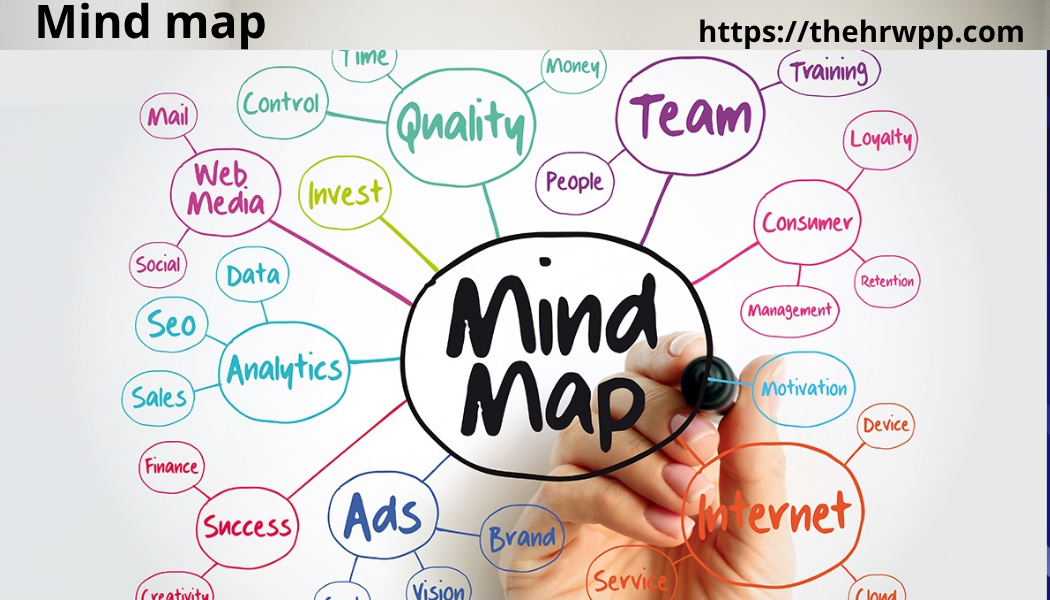
A mind map is one of the most powerful tools for organizing ideas, improving memory, solving problems, and increasing creativity. Whether you are a student, business owner, teacher, writer, marketer, or project manager, learning how to use a mind map can completely change the way you think and work.
Today, people are overwhelmed with information. Notes become messy, ideas get lost, and tasks feel difficult to manage. This is where mind mapping becomes useful. A well-designed mind map helps the brain process information visually, making learning easier and faster.
The popularity of map mind mapping has grown rapidly in schools, businesses, and online learning platforms because it helps people connect ideas in a simple and natural way. Unlike traditional note-taking methods, a mind map follows the brain’s natural thinking process.
This comprehensive guide explains everything you need to know about the mind map process, including how to create a mind map, the benefits of mind mapping, real-world examples, expert strategies, and the best techniques for beginners.
If you want to improve productivity, memory, creativity, planning, and focus, this article will help you master the art of mind mapping.
What Is a Mind Map?
A mind map is a visual diagram used to organize ideas around one central topic. The main idea sits in the center, and related ideas branch outward like a tree.
Each branch contains connected thoughts, keywords, images, symbols, or concepts.
For example, if your central topic is “Healthy Living,” the branches may include:
- Exercise
- Nutrition
- Sleep
- Mental Health
- Water Intake
- Stress Management
Each branch can then expand into smaller details.
Also read:How to Send a Secure Email in Outlook: A Complete, Updated 2026 Guide (Step-by-Step for Beginners)
This structure helps people understand relationships between ideas more clearly.
A map mind map is different from regular notes because it focuses on connections rather than long paragraphs.
The History of Mind Mapping
The modern mind map became popular through the work of Tony Buzan, who promoted visual thinking and creative learning methods.
However, visual idea mapping existed long before modern education systems. Ancient philosophers, scientists, and artists often used diagrams to organize information.
Over time, educators discovered that the human brain remembers visual structures more effectively than plain text.
Today, mind mapping is used worldwide in:
- Schools
- Universities
- Businesses
- Marketing agencies
- Startups
- Research institutions
- Personal development programs
Why the Human Brain Loves Mind Maps
The brain naturally works through associations.
When you think about one idea, your brain quickly connects it to related ideas. Traditional note-taking often blocks this natural process because information is written in straight lines.
A mind map works differently.
It allows ideas to flow outward naturally.
This improves:
- Memory
- Focus
- Creativity
- Understanding
- Brainstorming
- Learning speed
Research in cognitive science suggests that visual learning methods help many people process information faster.
Colors, branches, keywords, and images stimulate multiple areas of the brain at the same time.
How a Mind Map Works
A mind map starts with one central concept.
From the center, branches spread outward into major categories. Smaller branches then connect to more detailed ideas.
The structure looks similar to:
- A tree
- A spider web
- A neural network
This design mirrors how the brain creates associations.
For example:
Central Topic: Digital Marketing
Branches:
- SEO
- Social Media
- Email Marketing
- Content Marketing
- PPC Advertising
Under SEO:
- Keywords
- Backlinks
- Technical SEO
- On-Page SEO
This organized visual structure makes information easier to understand.
Benefits of Using a Mind Map
Improves Memory
A mind map combines words, structure, and visuals. This helps the brain remember information more effectively than traditional notes.
Students often use mind mapping during exam preparation because it simplifies complex topics.
Boosts Creativity
Creative thinking improves when ideas are connected visually.
A map mind mapping technique encourages brainstorming without limits.
New ideas appear more naturally.
Increases Productivity
Mind maps reduce confusion and improve organization.
Instead of searching through long documents, users can quickly see the big picture.
Simplifies Complex Information
Large projects become easier when divided into smaller connected sections.
This helps reduce stress and mental overload.
Enhances Problem Solving
Mind mapping helps users explore multiple solutions at once.
It encourages flexible thinking instead of narrow thinking.
Improves Focus
A clear visual structure keeps attention on the main goal.
This is especially helpful for students and professionals.
Types of Mind Maps
Different situations require different mind map styles.
Simple Mind Map
This basic format uses one main topic with a few branches.
It is perfect for beginners.
Concept Mind Map
This style focuses on relationships between ideas.
It is often used in education and research.
Project Planning Mind Map
Businesses use this format for:
- Deadlines
- Tasks
- Team management
- Workflow planning
Brainstorming Mind Map
This type encourages fast idea generation.
No idea is rejected during the brainstorming stage.
Study Mind Map
Students use study mind maps to summarize subjects and prepare for exams.
Business Strategy Mind Map
Companies use these maps for:
- Marketing plans
- Product development
- Business growth
- SWOT analysis
How to Create a Mind Map
Many people search online for “how to create a mind map” because they want a simple step-by-step process.
Here is the easiest method.
Step 1: Start With a Central Idea
Write the main topic in the center of the page.
Keep it short and clear.
Example:
“Personal Finance”
Step 2: Add Main Branches
Create large branches for major categories.
Examples:
- Budgeting
- Saving
- Investing
- Debt
- Retirement
Step 3: Add Sub-Branches
Break each category into smaller details.
Under Investing:
- Stocks
- Real Estate
- ETFs
- Crypto
Step 4: Use Keywords
Avoid long sentences.
Single words improve clarity and memory.
Step 5: Add Colors and Images
Colors improve visual recognition.
Images help memory retention.
Step 6: Keep Expanding
Continue adding related ideas naturally.
Also read:The Importance of Physical Therapy for Pain Relief and Long-Term Recovery
Best Practices for Effective Mind Mapping
Keep It Simple
Too much information creates confusion.
Focus on clear keywords.
Use Curved Lines
Curved branches look more natural and engaging.
Use Visual Elements
Icons and images improve understanding.
Organize Logically
Related ideas should stay close together.
Avoid Overcrowding
White space improves readability.
Digital Mind Map vs Paper Mind Map
Both methods have advantages.
Paper Mind Mapping
Advantages:
- Feels natural
- Encourages creativity
- No distractions
Disadvantages:
- Harder to edit
- Limited space
Digital Mind Mapping
Advantages:
- Easy editing
- Collaboration features
- Cloud storage
- Templates
Disadvantages:
- Screen distractions
- Requires software
Best Mind Mapping Software in 2026
Many digital tools support map mind mapping today.
Popular options include:
- XMind
- MindMeister
- Miro
- Lucidchart
- Canva
- Coggle
Each platform offers unique features for collaboration and organization.
Mind Mapping for Students
Students benefit greatly from mind maps.
Better Exam Preparation
Mind maps summarize large subjects quickly.
Faster Revision
Visual notes are easier to review.
Improved Understanding
Students see relationships between concepts clearly.
Better Essay Planning
Writers can organize arguments before drafting.
Mind Mapping in Business
Businesses increasingly use mind mapping for strategy and innovation.
Project Management
Teams organize tasks visually.
Team Brainstorming
Mind maps encourage collaborative thinking.
Marketing Campaigns
Marketers map customer journeys and content strategies.
Meeting Notes
Meetings become more organized and actionable.
Mind Mapping for Personal Development
A mind map can improve personal life too.
Popular uses include:
- Goal setting
- Habit tracking
- Career planning
- Time management
- Vacation planning
- Meal planning
Many successful people use mind maps daily.
Mind Mapping and Creativity
Creativity often suffers when thinking becomes too structured.
Mind mapping removes mental barriers.
The visual flow encourages free thinking.
This is why artists, writers, designers, and entrepreneurs frequently use map mind mapping techniques.
Common Mistakes in Mind Mapping
Adding Too Much Text
Long sentences reduce clarity.
Using No Structure
Random branches create confusion.
Ignoring Visual Design
Colors and spacing matter.
Making the Map Too Complex
Overloaded maps become difficult to use.
Mind Mapping for Content Creation
Content creators use mind maps to organize ideas for:
- Blog posts
- Videos
- Podcasts
- Social media content
- Email marketing
A mind map improves content planning efficiency.
Mind Mapping for Problem Solving
Mind maps help users analyze problems from multiple angles.
For example:
Problem:
Low Website Traffic
Possible Branches:
- SEO
- Social Media
- Paid Ads
- Technical Issues
- Content Quality
This approach reveals hidden opportunities.
Mind Mapping in Education
Teachers use mind maps because they improve classroom engagement.
Students learn faster when information becomes visual.
Mind mapping also supports active learning instead of passive memorization.
How Mind Mapping Helps Memory
The brain remembers patterns better than isolated facts.
A mind map creates meaningful patterns.
This improves long-term memory retention.
Visual organization also reduces cognitive overload.
The Psychology Behind Mind Mapping
Mind mapping works because it matches associative thinking patterns.
The brain does not naturally think in straight lines.
Instead, it builds networks of connected ideas.
A map mind map reflects this natural structure.
Mind Mapping for ADHD and Focus Challenges
Many people with attention difficulties find mind mapping helpful.
Visual structures reduce overwhelm.
The flexible layout also supports creative thinking.
Mind maps may help users stay engaged longer.
Mind Mapping for Remote Teams
Remote work increased demand for digital collaboration tools.
Mind mapping platforms now allow teams to:
- Brainstorm live
- Share projects
- Edit together
- Plan workflows remotely
This improves communication and productivity.
AI and the Future of Mind Mapping
Artificial intelligence is changing how people create mind maps.
Modern AI tools can now:
- Generate topic ideas
- Suggest branches
- Summarize information
- Create visual layouts automatically
This saves time and improves efficiency.
However, human creativity remains essential.
AI can assist thinking, but it cannot fully replace original human insight.
Also read:Advice for Soon to Be Veterinarians on Disability Insurance Coverage
Why Mind Maps Work Better Than Traditional Notes
Traditional notes are linear.
Mind maps are dynamic.
Linear notes often hide relationships between ideas.
Mind maps reveal connections immediately.
This improves:
- Understanding
- Recall
- Creativity
- Planning
Mind Mapping for Goal Setting
Goal setting becomes clearer with a mind map.
Example:
Central Goal:
Start a Business
Branches:
- Funding
- Marketing
- Branding
- Legal Setup
- Product Development
This structure creates actionable clarity.
Mind Mapping for Time Management
A mind map helps prioritize tasks visually.
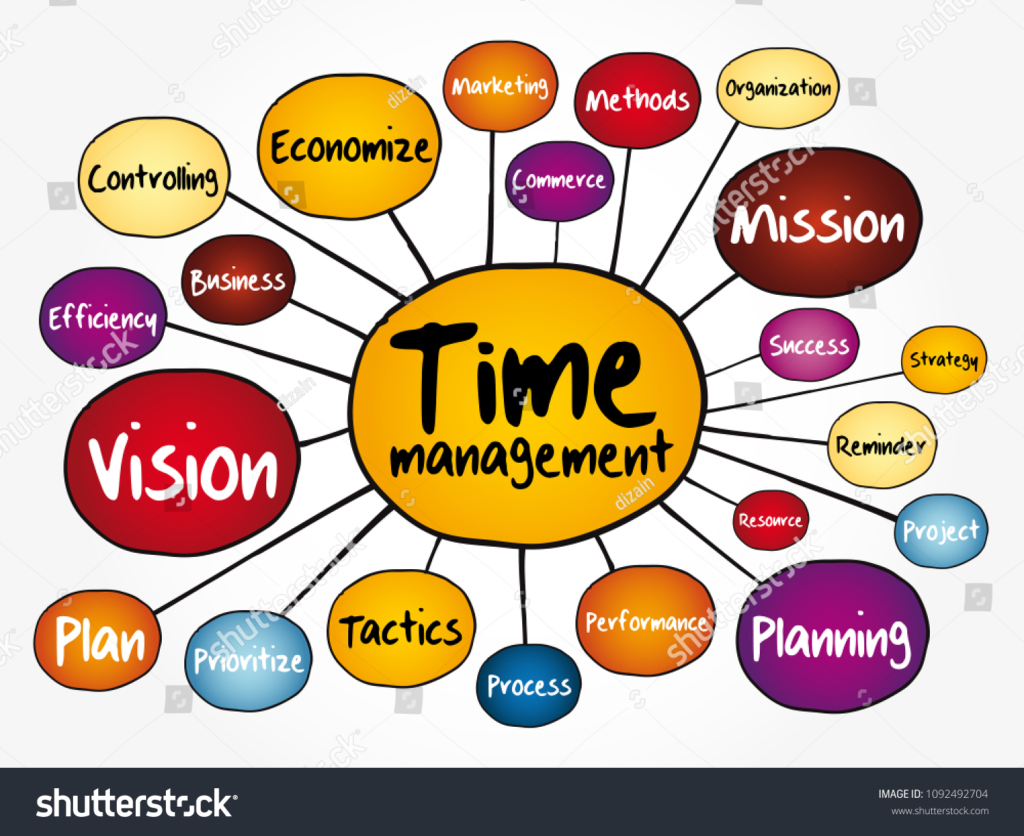
This reduces stress and improves productivity.
Users can quickly identify:
- High-priority tasks
- Deadlines
- Dependencies
- Time-consuming activities
The Connection Between Mind Mapping and Innovation
Innovative ideas often come from combining unrelated concepts.
Mind mapping encourages these unexpected connections.
This is why startups and creative agencies use brainstorming maps regularly.
How Teachers Can Use Mind Maps
Teachers can use mind maps for:
- Lesson planning
- Student projects
- Visual learning
- Classroom discussions
- Homework organization
Students usually enjoy visual learning more than traditional lectures.
Mind Mapping for Writers
Writers use mind maps to organize:
- Characters
- Plot ideas
- Research
- Blog structures
- Book chapters
This improves storytelling and structure.
Handwritten vs AI-Generated Mind Maps
Handwritten maps often improve memory because the physical writing process engages the brain more deeply.
AI-generated maps improve speed and organization.
The best choice depends on the goal.
The Biggest Advantage of a Mind Map
The greatest strength of a mind map is clarity.
People often feel overwhelmed because information appears scattered.
A mind map organizes thinking visually and logically.
This creates confidence and focus.
Real-Life Examples of Mind Mapping
Student Example
A biology student creates a mind map about the human body.
Branches include:
- Digestive System
- Nervous System
- Respiratory System
Revision becomes easier.
Business Example
A startup founder creates a mind map for product launch planning.
This improves coordination and reduces missed tasks.
Personal Example
Someone planning a wedding uses a mind map for:
- Budget
- Guests
- Venue
- Food
- Decorations
Organization becomes simpler.
Advanced Mind Mapping Techniques
Reverse Mind Mapping
Start with the result and work backward.
Collaborative Mapping
Multiple users build ideas together.
Layered Mind Maps
Large projects may require several connected maps.
How Search Engines View Mind Mapping Content
Search engines favor content that is:
- Helpful
- Organized
- Easy to read
- Comprehensive
- User-focused
Mind mapping itself reflects these principles because it improves information structure.
Why Mind Mapping Continues to Grow
The digital age created information overload.
People need faster ways to think clearly.
Mind mapping solves this problem by simplifying complexity.
That is why demand continues increasing in education, business, and personal productivity.
Conclusion
A mind map is far more than a note-taking method. It is a powerful thinking system that improves creativity, organization, learning, planning, and productivity.
Whether you are a student preparing for exams, a business owner planning growth, a writer organizing ideas, or someone simply trying to manage daily life better, mind mapping can transform the way you think.
The strength of map mind mapping lies in its simplicity. Instead of forcing information into rigid structures, it follows the brain’s natural process of association and connection.
Learning how to create a mind map is one of the most valuable skills for modern life because clear thinking leads to better decisions, faster learning, and greater creativity.
As technology continues evolving, digital and AI-powered mind maps will become even more advanced. Yet the core principle remains timeless: organized visual thinking helps people understand the world more effectively.
FAQs About Mind Map
What is a mind map used for?
A mind map is used for organizing ideas, brainstorming, planning, studying, problem solving, and improving memory.
How do beginners start mind mapping?
Beginners should start with one central topic and create simple branches using keywords.
Is a mind map better than normal notes?
For many people, yes. Mind maps improve visual understanding and memory retention.
Can students use mind mapping for exams?
Yes. Students often use mind maps for revision because they simplify complex topics.
What are the best colors for a mind map?
Bright and different colors help separate categories and improve memory.
Is digital mind mapping better than paper?
Both are useful. Digital tools improve editing and collaboration, while paper maps often improve creativity.
