

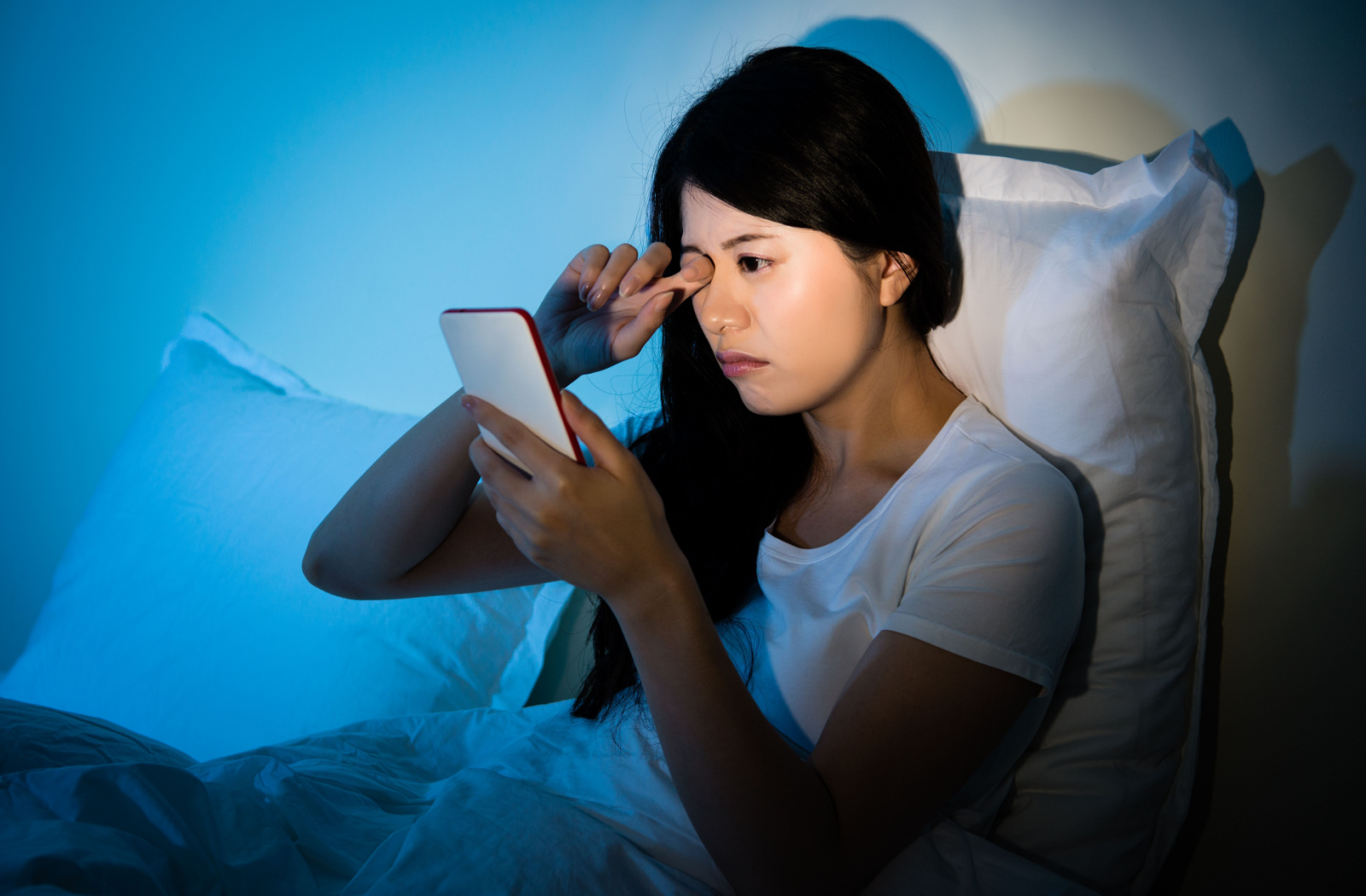
In today’s digital world, mobile phones have become an essential part of daily life. From work and education to entertainment and social media, most people spend several hours each day looking at screens. However, prolonged screen time can lead to digital eye strain, also known as computer vision syndrome.
Learning how to reduce eye strain from mobile screens is important for maintaining long-term eye health. Common symptoms include dry eyes, headaches, blurred vision, neck pain, and difficulty focusing. Fortunately, simple daily habits and adjustments can significantly reduce discomfort and protect your eyesight.
What Causes Eye Strain from Mobile Screens?
Eye strain occurs when your eyes work harder than usual for extended periods. Mobile screens emit blue light and require constant focusing, especially when viewed at close distances.
Other factors that contribute to eye strain include poor lighting, glare on the screen, incorrect viewing distance, and reduced blinking while staring at the screen. Many people blink less frequently when using their phones, which leads to dry and irritated eyes.
Understanding these causes helps you take practical steps to reduce strain and discomfort.
Follow the 20-20-20 Rule
One of the most effective ways to reduce eye strain from mobile screens is by following the 20-20-20 rule. Every 20 minutes, look at something 20 feet away for at least 20 seconds.
This simple technique relaxes the eye muscles and reduces continuous focusing stress. It allows your eyes to reset and prevents fatigue from building up throughout the day.
Setting reminders on your phone can help you develop this healthy habit.
Adjust Screen Brightness and Contrast
Using a screen that is too bright or too dim can strain your eyes. Adjust your mobile brightness to match the lighting in your surroundings. In bright environments, increase brightness slightly. In low light, reduce it to avoid glare.
You can also increase text size and contrast to make reading easier. Straining to read small text puts extra pressure on your eyes. Most smartphones offer display settings that can be customized for comfort.
Reduce Blue Light Exposure
Blue light from screens may contribute to eye discomfort and disrupt sleep patterns. Many smartphones now include a blue light filter or “night mode” feature.
Turning on this feature in the evening reduces harsh light exposure and makes the screen warmer in tone. You can also use blue light blocking glasses if you spend extended hours on digital devices.
Reducing blue light is especially helpful before bedtime to improve sleep quality.
Maintain Proper Viewing Distance
Holding your phone too close to your eyes increases strain. The ideal distance between your eyes and your mobile screen is about 16 to 18 inches.
Keep the screen slightly below eye level to reduce neck and shoulder tension. Good posture not only protects your eyes but also prevents headaches and muscle pain.
Avoid using your phone while lying down in awkward positions for long periods.
Blink More Often
Blinking keeps your eyes moist and prevents dryness. When using mobile screens, people tend to blink less frequently, leading to irritation and dryness.
Make a conscious effort to blink regularly while reading or watching content on your phone. If dryness continues, artificial tears or lubricating eye drops may provide relief.
Staying hydrated by drinking enough water also supports healthy tear production.
Take Regular Breaks from Screens
Limiting screen time is one of the best solutions for preventing digital eye strain. Try to take short breaks every hour to rest your eyes.
Engage in activities that do not involve screens, such as walking, stretching, or spending time outdoors. Natural light and looking at distant objects help relax the eye muscles.
Creating screen-free time before bed is especially beneficial for eye and mental health.
Improve Lighting Conditions
Poor lighting can worsen eye strain. Avoid using your mobile phone in complete darkness, as the strong contrast between the bright screen and dark surroundings stresses the eyes.
Use soft ambient lighting when using your device at night. During the day, position yourself to avoid glare from windows or overhead lights reflecting on your screen.
When to See an Eye Specialist
If you frequently experience severe headaches, blurred vision, persistent dryness, or difficulty focusing, consult an eye specialist.
Regular eye checkups ensure that your vision prescription is correct and that no underlying eye conditions are present. Early treatment prevents long-term damage and maintains optimal vision.
Conclusion
Understanding how to reduce eye strain from mobile screens is essential in the digital age. Simple steps such as following the 20-20-20 rule, adjusting brightness, reducing blue light, maintaining proper distance, and taking regular breaks can significantly improve eye comfort.
By practicing these habits daily, you can protect your vision, reduce discomfort, and maintain healthy eyes despite increased screen time.
