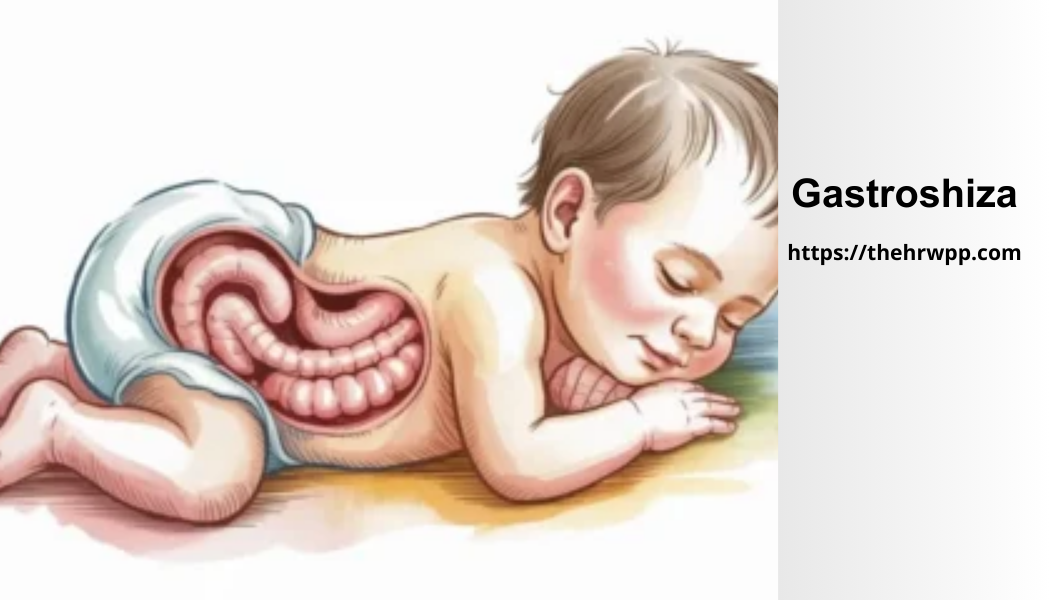
Gastroshiza: Causes, Diagnosis, Treatment, and Long-Term Outlook for Babies
Gastroshiza is a rare but serious congenital condition that affects newborn babies before they are even born. In this condition, a baby’s intestines develop outside the body through a small opening near the belly button. Although the condition may sound frightening for parents, medical science has made major progress in diagnosing and treating gastroshiza, and many babies grow up to live healthy lives.
Understanding gastroshiza is important for parents, caregivers, and healthcare professionals. Early diagnosis, proper prenatal care, and timely surgical treatment greatly improve outcomes for affected infants. Over the past few decades, survival rates have improved dramatically due to advances in neonatal care, surgical techniques, and monitoring during pregnancy.
This comprehensive guide explains gastroshiza in very simple and easy language. It explores its causes, symptoms, diagnosis, treatment options, risks, and long-term outlook. It also provides useful insights and expert perspectives that go beyond common online summaries. The goal is to provide trustworthy and easy-to-understand information for families in the United States who may be searching for reliable answers about gastroshiza.
What Is Gastroshiza
Gastroshiza is a birth defect that occurs when a baby’s abdominal wall does not form properly during early pregnancy. Because of this gap in the abdominal wall, the baby’s intestines grow outside the body rather than inside the belly.
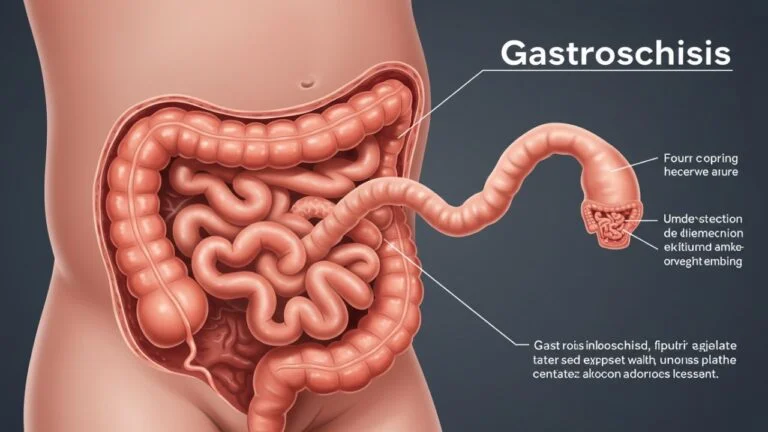
The intestines usually protrude through a small hole located next to the belly button. Unlike some other abdominal birth defects, the exposed intestines in gastroshiza are not covered by a protective sac. This means they float freely in the amniotic fluid surrounding the baby during pregnancy.
Exposure to amniotic fluid can irritate and inflame the intestines. As a result, the bowel may appear swollen, thickened, or shortened when the baby is born.
Even though the intestines are outside the body, most babies with gastroshiza can be treated successfully with surgery soon after birth. After treatment, many children grow normally and live healthy lives.
Why Understanding Gastroshiza Matters
Gastroshiza is not extremely common, but its occurrence has increased slightly in recent years, particularly among younger mothers. According to public health studies in the United States, the condition affects roughly 1 in every 2,000 to 4,000 births.
Early understanding of the condition helps parents prepare emotionally and medically for the treatment process. With proper planning, doctors can arrange specialized delivery, immediate care after birth, and surgery to repair the abdominal wall.
For families facing a prenatal diagnosis of gastroshiza, having clear and reliable information reduces anxiety and improves decision-making during pregnancy.
How Gastroshiza Develops During Pregnancy
Gastroshiza develops very early during pregnancy, usually within the first few weeks after conception.
During normal fetal development, the abdominal wall forms and closes while the intestines move into the baby’s abdomen. However, in gastroshiza, a small section of the abdominal wall fails to close completely.
Because of this opening, the intestines move outside the body rather than remaining inside the abdominal cavity.
Medical researchers believe that the problem may involve disruption of blood flow to the developing abdominal wall. If the blood supply is reduced during a critical stage of development, the tissue may not grow correctly, leaving a small hole.
Although the exact biological mechanism is still being studied, this explanation is one of the most widely accepted theories among specialists.
Difference Between Gastroshiza and Other Abdominal Birth Defects
Many people confuse gastroshiza with another birth defect called omphalocele. Although both conditions involve organs outside the body, they are different in important ways.
In gastroshiza, the intestines are not covered by a membrane or protective sac. They are exposed directly to the amniotic fluid.
In contrast, omphalocele involves organs protruding through the belly button but covered by a thin protective sac.
Another major difference is that omphalocele is more often associated with genetic conditions or other birth defects. Gastroshiza, however, usually occurs as an isolated condition.
Because of these differences, treatment strategies and long-term outcomes can vary between the two conditions.
Causes of Gastroshiza
The exact cause of gastroshiza is not fully understood. However, scientists believe that several factors may contribute to its development.
One possible factor is abnormal blood flow during fetal development. If blood supply to the abdominal wall is disrupted, the tissue may not close properly.
Certain environmental and lifestyle factors may also increase the risk.
Researchers have identified several possible contributing factors, including young maternal age, smoking during pregnancy, alcohol or drug exposure, poor nutrition, and certain infections during pregnancy.
Also read:Exhentaime: A Complete Guide to the Rising Digital Anime Entertainment Trend
However, it is important to understand that many cases of gastroshiza occur even when no clear risk factors are present. Parents should not blame themselves if their baby is diagnosed with this condition.
Risk Factors Associated With Gastroshiza
Medical studies have found several factors that appear more frequently in pregnancies affected by gastroshiza.
Young maternal age is one of the strongest risk factors. Mothers under the age of 20 have a higher likelihood of having a baby with this condition compared to older mothers.
Smoking during pregnancy has also been linked to an increased risk. Tobacco chemicals may affect fetal blood flow and development.
Certain medications or exposure to harmful substances may also play a role. However, research in this area is still ongoing.
Nutritional deficiencies may also influence fetal development. Maintaining a balanced diet and taking prenatal vitamins can help support healthy growth during pregnancy.
Despite these associations, many babies with gastroshiza are born to mothers with no identifiable risk factors.
Signs and Symptoms of Gastroshiza
Gastroshiza is usually detected before birth during routine prenatal ultrasound examinations.
Doctors may notice that the baby’s intestines appear outside the abdomen on the ultrasound image.
After birth, the condition becomes immediately visible. The newborn’s intestines can be seen protruding through an opening near the belly button.
Other possible symptoms may include swollen or inflamed intestines, difficulty feeding in the early days after birth, and slower movement of food through the digestive system.
Because the intestines are exposed, doctors take immediate steps to protect them from infection, dehydration, and injury.
How Gastroshiza Is Diagnosed Before Birth
Prenatal diagnosis of gastroshiza is usually made during a routine ultrasound scan between the 18th and 22nd week of pregnancy.
The ultrasound clearly shows loops of intestine floating outside the baby’s body in the amniotic fluid.
Doctors may also use additional tests to monitor the baby’s growth and health during pregnancy. These tests may include detailed ultrasound scans, fetal monitoring, and measurement of amniotic fluid levels.
In some cases, blood tests measuring maternal serum alpha-fetoprotein levels can also help detect abdominal wall defects.
Early diagnosis allows doctors to plan the safest delivery and arrange specialized care immediately after birth.
Monitoring Pregnancy With Gastroshiza
Pregnancies affected by gastroshiza require close monitoring by healthcare providers.
Doctors often schedule regular ultrasounds to track the baby’s growth and observe the condition of the exposed intestines.
Some babies with gastroshiza may develop slowed growth or intestinal complications before birth. Careful monitoring helps doctors identify these problems early.
In many cases, delivery is planned at a hospital with a neonatal intensive care unit and pediatric surgery team. This ensures that the baby receives immediate treatment after birth.
Delivery and Immediate Care After Birth
When a baby with gastroshiza is born, doctors quickly move the infant to a specialized care unit.
The exposed intestines are carefully covered with sterile protective material to prevent infection and fluid loss.
The baby may receive intravenous fluids, antibiotics, and breathing support if necessary.
A pediatric surgeon then evaluates the condition and determines the best approach for surgical repair.
Surgical Treatment for Gastroshiza
Surgery is the primary treatment for gastroshiza. The goal is to place the intestines back inside the abdomen and close the opening in the abdominal wall.
In mild cases, doctors may be able to perform a single surgery shortly after birth.
However, if the intestines are swollen or the abdominal cavity is too small, a staged approach may be required.
In this method, surgeons use a special protective pouch called a silo to gradually move the intestines back into the abdomen over several days.
Once the intestines are safely inside, the abdominal wall opening is closed surgically.
This gradual approach reduces pressure inside the abdomen and improves recovery outcomes.
Recovery and Hospital Care
After surgery, babies with gastroshiza usually remain in the neonatal intensive care unit for several weeks.
During this time, doctors monitor breathing, digestion, and overall health.
Because the intestines may take time to function normally, babies often receive nutrition through intravenous feeding at first.
As the digestive system begins to work, doctors slowly introduce breast milk or formula.
Careful monitoring ensures that the baby can digest food properly and gain weight before going home.
Long-Term Outlook for Babies With Gastroshiza
The long-term outlook for babies with gastroshiza has improved significantly in recent decades.
In developed healthcare systems such as those in the United States, survival rates are now above 90 percent.
Most children who receive timely treatment grow up without major health problems.
However, some children may experience digestive challenges during infancy, including feeding difficulties or slower weight gain.
In rare cases, intestinal damage during pregnancy may lead to long-term digestive issues.
With proper medical care and follow-up, many of these challenges can be managed successfully.
Possible Complications of Gastroshiza
Although treatment outcomes are generally positive, some babies may experience complications.
One possible complication is intestinal blockage caused by scarring or twisting of the bowel.
Another risk is infection, particularly in the early days after birth when the intestines are exposed.
Some infants may develop a condition called short bowel syndrome if part of the intestine becomes damaged and must be removed.
Despite these risks, advances in neonatal medicine continue to improve survival and recovery rates.
Emotional Impact on Families
Receiving a diagnosis of gastroshiza during pregnancy can be emotionally overwhelming for parents.
Many families experience fear, uncertainty, and stress while preparing for their baby’s birth and treatment.
Also read:Portar Leisa: A Complete Guide to the Modern Framework for Organized Growth and Success
Support from healthcare professionals, counselors, and parent support groups can make a significant difference.
Understanding the condition and the treatment process helps parents feel more prepared and confident.
Many families also find comfort in hearing success stories from other parents whose children were born with gastroshiza and later thrived.
Advances in Medical Research
Medical research continues to explore new ways to improve outcomes for babies with gastroshiza.
Scientists are studying the biological mechanisms that cause the condition and searching for ways to prevent it.
Improved prenatal imaging technology allows doctors to monitor fetal development more closely than ever before.
Researchers are also developing advanced surgical techniques and neonatal care strategies that help babies recover more quickly.
These innovations are helping to ensure that more children with gastroshiza grow up healthy and active.
Preventive Measures and Healthy Pregnancy Practices
Although gastroshiza cannot always be prevented, certain steps may reduce the risk.
Maintaining a healthy lifestyle during pregnancy is one of the most important protective measures.
This includes avoiding smoking, alcohol, and harmful drugs.
Eating a balanced diet rich in vitamins and minerals also supports fetal development.
Regular prenatal checkups allow doctors to monitor the baby’s health and detect potential problems early.
By following recommended prenatal care guidelines, parents can help create the best possible environment for their baby’s growth.
Living With a Child Who Had Gastroshiza
Most children who are treated for gastroshiza go on to live active and healthy lives.
Parents may need to attend follow-up medical appointments during the first few years to monitor growth and digestive health.
In some cases, children may have small scars from surgery, but these typically fade over time.
With proper care and nutrition, most children reach normal developmental milestones and participate in regular childhood activities.
Families often find that the early challenges of gastroshiza become a distant memory as their child grows stronger each year.
Expert Insight on Gastroshiza
Healthcare experts emphasize the importance of early detection and specialized care.
When gastroshiza is diagnosed during pregnancy, coordinated care between obstetricians, pediatric surgeons, and neonatologists improves outcomes significantly.
Delivering the baby in a hospital equipped with advanced neonatal care allows doctors to begin treatment immediately.
Experts also stress that parents should not feel guilt or blame. The condition usually occurs randomly and is rarely caused by anything a parent did or did not do.
Education, support, and medical guidance play key roles in helping families navigate the journey.
Frequently Asked Questions About Gastroshiza
What is the main difference between gastroshiza and omphalocele?
The key difference is that in gastroshiza the intestines are outside the body without a protective sac. In omphalocele, the organs are outside but covered by a thin membrane.
Can gastroshiza be detected early in pregnancy?
Yes, most cases are detected during routine prenatal ultrasound scans in the second trimester.
Is gastroshiza genetic?
In most cases, gastroshiza is not inherited and does not run in families. It usually occurs randomly during fetal development.
Do babies with gastroshiza always need surgery?
Yes, surgery is necessary to place the intestines back inside the abdomen and close the abdominal wall opening.
What is the survival rate for babies with gastroshiza?
In countries with advanced neonatal care, survival rates are generally higher than 90 percent.
Final Thoughts on Gastroshiza
Gastroshiza is a complex congenital condition that can initially seem overwhelming for families. However, modern medicine has transformed the outlook for affected babies. With early diagnosis, expert surgical care, and ongoing medical support, most children recover well and lead healthy lives.
Awareness and understanding of gastroshiza help parents make informed decisions during pregnancy and after birth. As medical research continues to advance, treatment outcomes are expected to improve even further.
For families facing a diagnosis of gastroshiza, hope and support are available. With the right care team and access to accurate information, many babies born with this condition grow into strong, thriving children.