






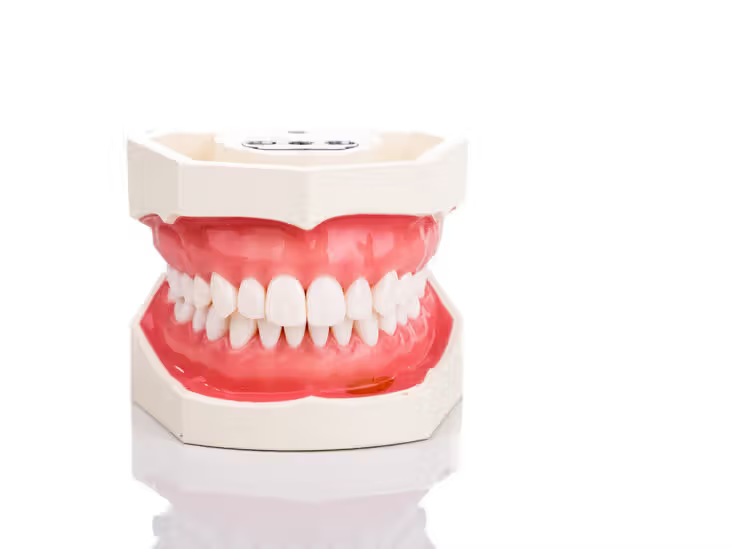
Maintaining healthy teeth and gums is essential for overall health and confidence. Poor oral hygiene can lead to cavities, gum disease, bad breath, and even serious health problems such as heart disease and diabetes. The good news is that following the best daily routine for healthy teeth and gums can prevent most dental issues before they begin.
A proper oral care routine does not have to be complicated. Simple, consistent habits practiced every day can keep your smile bright and your gums strong. This guide explains an easy and effective daily routine that anyone can follow.
Start Your Morning with Proper Brushing
Brushing your teeth in the morning is the foundation of good oral hygiene. Overnight, bacteria multiply in the mouth, leading to plaque buildup and bad breath. Brushing removes this bacteria and protects your enamel.
Use a soft-bristled toothbrush and fluoride toothpaste. Brush for at least two minutes, cleaning all surfaces of your teeth including the front, back, and chewing areas. Do not forget to gently brush your tongue, as bacteria often collect there.
Avoid brushing too aggressively, as this can damage enamel and irritate gums. Gentle circular motions are the most effective technique.
Floss Once Daily
Flossing is an important step that many people skip. However, it is essential for keeping gums healthy. Food particles and plaque often get trapped between teeth where a toothbrush cannot reach.
Flossing once a day removes debris from these tight spaces and prevents gum inflammation and cavities. It also reduces the risk of gum disease, which can cause bleeding, swelling, and even tooth loss if left untreated.
Make flossing a regular part of your daily routine, preferably before bedtime.
Use Mouthwash for Extra Protection
Adding mouthwash to your daily routine provides extra protection against bacteria. An antibacterial mouthwash helps reduce plaque and freshens breath.
If possible, choose an alcohol-free mouthwash to prevent dryness in the mouth. Swish for about 30 seconds after brushing and flossing. Mouthwash should not replace brushing or flossing, but it can enhance your overall oral hygiene routine.
Maintain a Healthy Diet Throughout the Day
Your daily eating habits directly affect your dental health. Sugary foods and drinks increase the risk of cavities because bacteria feed on sugar and produce harmful acids.
Limit snacks like candy, soda, and processed foods. Instead, choose fruits, vegetables, dairy products, nuts, and whole grains. Cheese and yogurt are especially beneficial because they contain calcium that strengthens teeth.
Drinking plenty of water throughout the day helps wash away food particles and keeps your mouth hydrated.
Avoid Harmful Habits
Certain habits can damage teeth and gums over time. Smoking increases the risk of gum disease, tooth discoloration, and oral cancer. Quitting smoking significantly improves oral health.
Avoid using your teeth to open packages or bite hard objects like ice, as this can cause cracks and damage enamel. Reducing caffeine and alcohol intake can also help maintain healthy gums.
Clean Your Teeth Before Bed
Nighttime oral care is extremely important. Bacteria grow rapidly while you sleep, especially if food particles remain in your mouth.
Brush thoroughly before bed and floss to remove any leftover debris. Avoid eating or drinking sugary beverages after brushing at night. This step protects your teeth from overnight acid attacks and decay.
Replace Your Toothbrush Regularly
A worn-out toothbrush is less effective at cleaning teeth. Replace your toothbrush every three to four months, or sooner if the bristles become frayed.
If you use an electric toothbrush, change the brush head as recommended by the manufacturer. Keeping your toothbrush clean and updated ensures proper oral hygiene.
Schedule Regular Dental Checkups
Even with the best daily routine for healthy teeth and gums, professional dental care is still necessary. Visit your dentist at least twice a year for checkups and professional cleanings.
Dentists can detect early signs of cavities, gum disease, and other oral issues before they become serious. Preventive care saves money and protects long-term dental health.
Conclusion
Following the best daily routine for healthy teeth and gums is simple but powerful. Brushing twice daily, flossing once a day, using mouthwash, maintaining a healthy diet, and visiting the dentist regularly can prevent most dental problems.
Consistency is the key to success. By making oral hygiene a priority every day, you can enjoy strong teeth, healthy gums, fresh breath, and a confident smile for years to come.