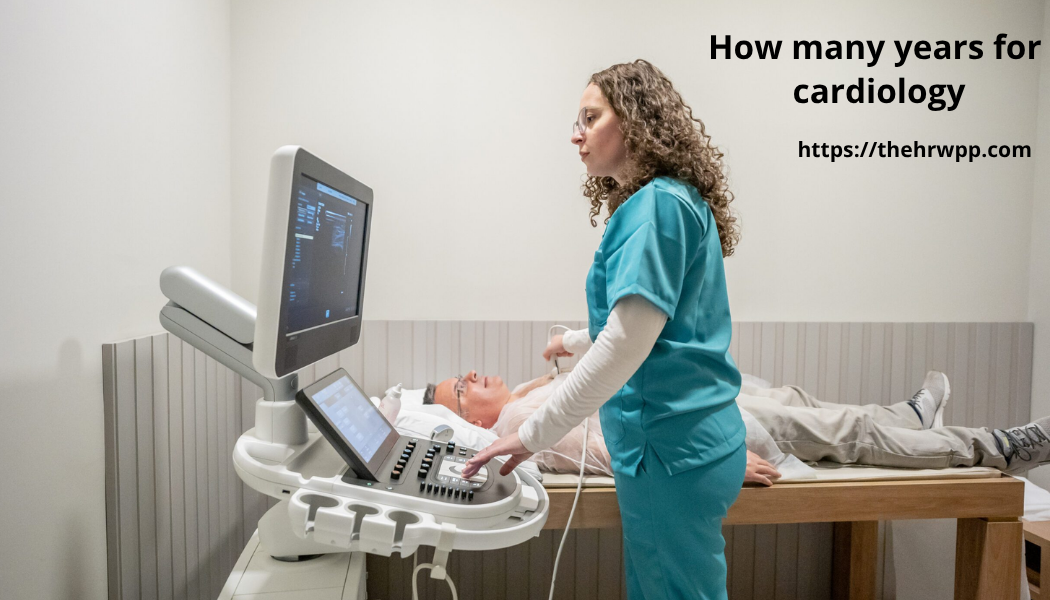
How Many Years for Cardiology: A Complete and Easy Guide for Future Doctors
Many students dream of becoming heart specialists. Cardiology is one of the most respected and rewarding medical careers in the United States. But one of the first questions people ask is simple: how many years for cardiology?
The answer is not short. Becoming a cardiologist takes many years of study, training, and hard work. However, the journey is clear when you understand each step.
This guide explains everything in a very easy way. You will learn how many years for cardiology, what happens at each stage, and what to expect in real life. The goal is to give you clear and helpful information so you can plan your future with confidence.
What is cardiology
Cardiology is a branch of medicine that focuses on the heart and blood vessels. A cardiologist is a doctor who treats heart diseases, such as heart attacks, high blood pressure, and heart failure.
Cardiologists do not usually perform major surgeries. Instead, they diagnose problems, manage treatments, and sometimes perform procedures like inserting stents.
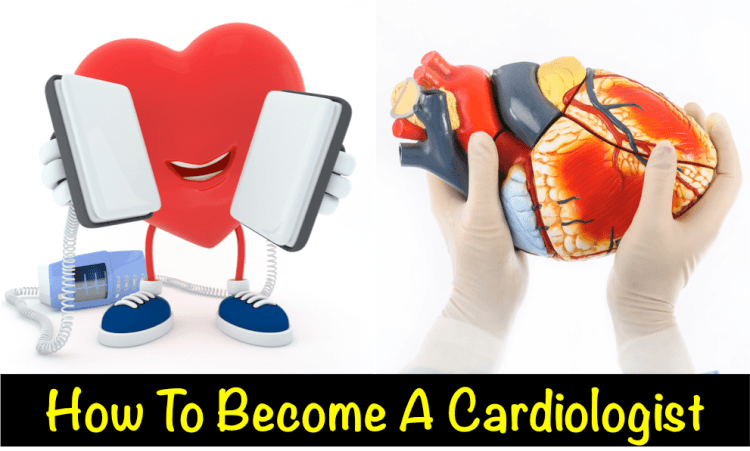
Understanding this helps you see why the training takes time. The heart is complex, and doctors must be highly skilled.
Also read:Soa os23: A Complete Guide to the Future of Software Architecture
Simple answer to how many years for cardiology
If you want a quick answer, here it is:
In the United States, it usually takes about 14 to 16 years to become a cardiologist.
This includes:
- 4 years of college
- 4 years of medical school
- 3 years of internal medicine residency
- 3 years of cardiology fellowship
If you choose a subspecialty like interventional cardiology, it can take 1 to 2 more years.
So when people ask how many years for cardiology, the total time depends on your path, but it is usually between 14 and 18 years.
Step by step path to become a cardiologist
To fully understand how many years for cardiology, it is important to break down each stage.
College education (4 years)
The journey starts with a bachelor’s degree. This usually takes 4 years.
You can choose any major, but most students study:
- biology
- chemistry
- pre-med programs
During college, students prepare for the MCAT exam. This test is required to enter medical school.
This stage builds the foundation for medical knowledge.
Medical school (4 years)
After college, students attend medical school for 4 years.
Medical school is divided into two parts:
First 2 years focus on classroom learning. Students study subjects like:
- anatomy
- physiology
- pharmacology
Last 2 years focus on clinical training. Students work in hospitals and learn from real doctors.
This stage is intense and requires strong dedication.
Internal medicine residency (3 years)
After medical school, doctors enter residency. For cardiology, you must first complete a residency in internal medicine.
This takes 3 years.
During this time, doctors:
- treat patients in hospitals
- learn about different diseases
- gain real-world experience
Residency is a critical step in answering how many years residency for cardiology. Without this stage, you cannot move forward.
Cardiology fellowship (3 years)
After residency, doctors apply for a cardiology fellowship.
This usually takes 3 years.
During this stage, doctors focus only on heart-related conditions. They learn advanced skills such as:
- reading heart tests
- managing heart diseases
- performing procedures
This is where doctors officially become cardiologists.
How many years of residency for cardiology
Many students are confused about residency.
To clarify:
You do not do a separate cardiology residency. Instead, you complete internal medicine residency first.
So when people ask how many years of residency for cardiology, the answer is:
About 3 years of internal medicine residency.
After that, you move to fellowship training.
How many years for cardiology residency
This question is often asked in a different way.
There is no direct cardiology residency. The correct path is:
- 3 years internal medicine residency
- followed by cardiology fellowship
So if someone asks how many years for cardiology residency, it usually refers to the 3-year internal medicine training.
Also read:Betanden: Meaning, Uses, Digital Identity, and Why It Matters Today
How many years for interventional cardiology
Interventional cardiology is a special branch of cardiology. These doctors perform procedures like:
- placing stents
- opening blocked arteries
To become an interventional cardiologist, you need extra training.
After the 3-year cardiology fellowship, you complete:
- 1 additional year of interventional cardiology training
So if you are asking how many years for interventional cardiology, the total training time becomes:
15 to 17 years or more
This depends on your pace and career choices.
Timeline summary for how many years for cardiology
Here is a simple timeline to help you understand:
- College: 4 years
- Medical school: 4 years
- Residency: 3 years
- Fellowship: 3 years
- Optional specialization: 1 to 2 years
Total: 14 to 18 years
This is the full answer to how many years for cardiology in the United States.
Why does cardiology take so many years
Some students feel that this path is very long. But there are good reasons for it.

The heart is complex
The heart controls blood flow in the entire body. Small mistakes can be dangerous. Doctors must be highly trained.
High responsibility
Cardiologists deal with life-threatening conditions. They must make fast and accurate decisions.
Advanced technology
Cardiology uses advanced tools and procedures. Learning these skills takes time.
So the long training is necessary to ensure patient safety and high-quality care.
Skills you need to become a cardiologist
Understanding how many years for cardiology is only part of the journey. You also need the right skills.
Strong study habits
You will study for many years. Good discipline is important.
Critical thinking
You must analyze complex medical cases.
Communication skills
You will talk to patients and explain treatments in simple words.
Emotional strength
You may deal with serious situations. Staying calm is important.
Cost of becoming a cardiologist in the US
The long journey also has a financial cost.
College and medical school
Education can cost:
- $200,000 to $400,000 or more
Many students take loans.
Residency and fellowship
During this time, doctors earn a salary, but it is lower than full doctors.
Even though the cost is high, cardiologists earn strong salaries later in their careers.
Salary and career outlook
Cardiology is one of the highest-paying medical fields.
In the United States, cardiologists can earn:
- $300,000 to $500,000 per year or more
Interventional cardiologists often earn even higher salaries.
The demand for cardiologists is also growing due to:
- aging population
- increase in heart diseases
This makes cardiology a stable and rewarding career.
Also read:Frehf: A Complete Guide to Faster Work, Smarter Productivity, and Simplified Digital Life
Challenges in the cardiology path
While learning how many years for cardiology, it is also important to understand the challenges.
Long training period
It takes many years before you become fully qualified.
High stress
The job can be stressful, especially in emergencies.
Work-life balance
Long hours are common, especially during training.
However, many doctors find the career very fulfilling.
Benefits of becoming a cardiologist
Despite the challenges, there are many benefits.
Helping people
You save lives and improve health.
High respect
Cardiologists are respected in society.
Financial rewards
The salary is very strong.
Career growth
There are many opportunities for specialization.
Tips for students planning this career
If you are serious about cardiology, here are some useful tips.
Start early
Focus on science subjects in school.
Stay consistent
Success requires long-term effort.
Get experience
Volunteer in hospitals if possible.
Build strong study habits
This will help you during medical school.
Stay motivated
Remember your goal and keep moving forward.
My expert insight on how many years for cardiology
From a professional perspective, the question how many years for cardiology is not just about time. It is about transformation.
Each stage builds a new level of skill and responsibility. By the end of the journey, you are not just a student. You become a highly trained expert who can save lives.
Many students focus only on the long timeline. But a better way to see it is as a step-by-step growth process.
Every year adds value to your knowledge and ability.
Is cardiology worth the time
This is an important question.
The answer depends on your passion.
If you truly enjoy:
- science
- helping people
- solving complex problems
then cardiology is worth the years of training.
But if you are unsure, you may want to explore other medical fields with shorter training paths.
Alternative paths in heart care
If the full cardiology path feels too long, there are other options.
Cardiac nurse
Requires less time and still works with heart patients.
Physician assistant
Can specialize in cardiology with fewer years.
Medical technician
Works with heart tests and equipment.
These careers also play important roles in healthcare.
Future of cardiology
Cardiology is evolving quickly.
New technologies are changing how doctors treat heart diseases.
Some trends include:
- artificial intelligence in diagnosis
- minimally invasive procedures
- personalized treatments
This makes cardiology an exciting field for the future.
Final thoughts on how many years for cardiology
The journey to becoming a cardiologist is long but rewarding.
The full answer to how many years for cardiology is usually between 14 and 18 years.
This includes education, training, and specialization.
While the path requires patience and dedication, the rewards are significant. You gain knowledge, respect, and the ability to make a real difference in people’s lives.
If you are passionate about medicine and the heart, this career can be one of the best choices you make.
FAQs about how many years for cardiology
Can I become a cardiologist faster than 14 years?
In most cases, no. The training path is fixed and required for safety and certification. Some programs may combine steps, but the total time is still long.
Do cardiologists need to study after finishing training?
Yes, cardiologists continue learning throughout their careers. Medicine is always changing, so ongoing education is important.
Is cardiology harder than other medical fields?
Cardiology is considered challenging because it involves complex systems and high-risk situations. However, difficulty depends on your interests and strengths.
Can international students become cardiologists in the US?
Yes, but they must pass required exams and complete training in the US. The process may take longer.
What is the shortest path related to cardiology?
Becoming a cardiac technician or nurse is a shorter path compared to becoming a cardiologist.
Do cardiologists perform surgery?
Most cardiologists do not perform major surgery. That is done by cardiac surgeons. However, some cardiologists perform procedures like stents.