Viltnemnda: A Complete Guide to Norway’s Wildlife Management System and Its Global Relevance
Wildlife management is an important part of protecting nature while also supporting human needs. Around the world, different systems are used to balance conservation, hunting, and public safety. One unique and effective system comes from Norway, known as viltnemnda.
The term viltnemnda refers to local wildlife boards that manage wild animals at the municipal level. These boards play a key role in ensuring that wildlife populations are healthy, hunting is sustainable, and conflicts between humans and animals are handled properly.
For readers in the United States, viltnemnda may seem unfamiliar. However, understanding how this system works can provide valuable insights into better wildlife management practices.
This article offers a full and easy-to-understand explanation of viltnemnda, including its structure, responsibilities, benefits, and future role in conservation.
What is viltnemnda
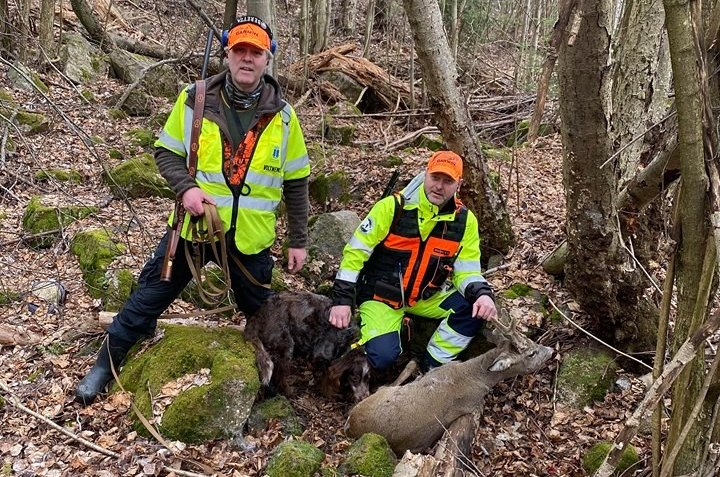
Viltnemnda is a local wildlife management board in Norway. It operates at the municipal level and is responsible for managing wild animal populations within its area.
The word itself comes from the Norwegian language. It combines terms that relate to wildlife and a governing committee.
Also read:Lyposingrass: A Complete Guide to Benefits, Uses, Risks, and Real Science Behind the Trend
In simple terms, viltnemnda is a group of local representatives who make decisions about wildlife. These decisions are based on national laws but adapted to local conditions.
The legal foundation of viltnemnda
Viltnemnda operates under national wildlife laws in Norway. One of the key laws guiding its work is the Norwegian Wildlife Act.
This law sets rules for hunting, conservation, and wildlife protection. It also defines how local boards like viltnemnda should function.
The legal system ensures that all decisions made by viltnemnda follow clear guidelines. This helps maintain fairness, transparency, and sustainability.
Structure of viltnemnda
Viltnemnda is made up of local members chosen by the municipal government.
These members usually include:
Local politicians
People with knowledge of wildlife
Community representatives
The structure ensures that decisions reflect both expert knowledge and community needs.
Each municipality in Norway may have its own viltnemnda. This allows decisions to be tailored to local environments.
Key responsibilities of viltnemnda
Viltnemnda has several important responsibilities. These tasks help maintain balance between humans and wildlife.
Managing wildlife populations
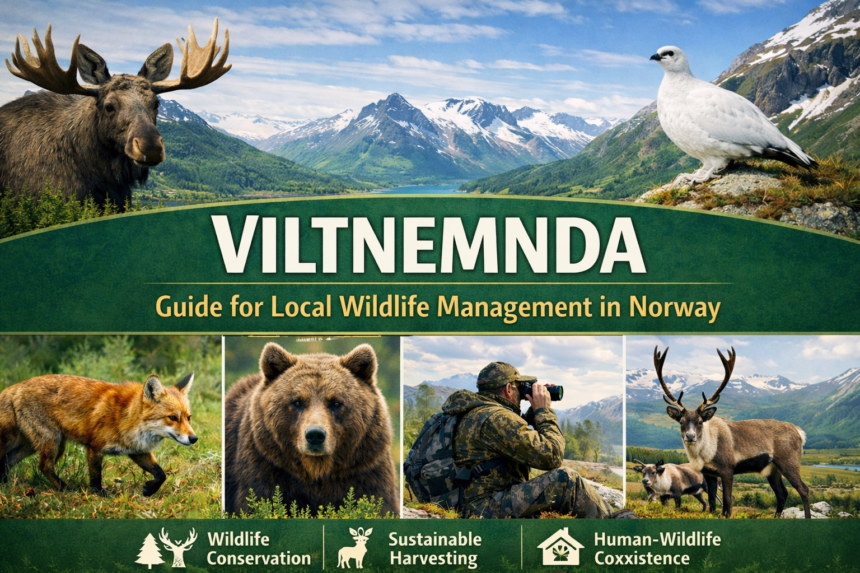
One of the main roles of viltnemnda is to monitor and manage animal populations. This includes species like moose, deer, and small game.
The goal is to keep populations healthy and sustainable.
Regulating hunting
Viltnemnda sets local hunting rules based on national laws.
This includes:
Hunting seasons
Quotas
Permits
These rules ensure that hunting does not harm wildlife populations.
Handling human-wildlife conflicts
Conflicts between humans and animals can occur. For example, animals may damage crops or enter residential areas.
Viltnemnda helps manage these situations in a safe and controlled way.
Managing roadkill incidents
Road accidents involving animals are common in some areas.
Viltnemnda is responsible for handling these incidents. This includes removing animals and reporting cases.
Supporting conservation efforts
Viltnemnda works to protect wildlife and natural habitats.
This includes promoting biodiversity and preventing overhunting.
How viltnemnda works in practice
Viltnemnda operates through meetings and decisions made by its members.
Also read:Pyntekvister: A Complete Guide to Decorative Window Branches, Styling Ideas, and Modern Home Trends
The process usually includes:
Collecting data on wildlife
Discussing local issues
Making decisions based on laws and data
Implementing actions
This structured approach ensures that decisions are informed and effective.
Importance of local decision-making
One of the strengths of viltnemnda is its focus on local decision-making.
Each area has different wildlife conditions. What works in one region may not work in another.
By allowing local boards to make decisions, the system becomes more flexible and effective.
Comparison with wildlife management in the United States
In the United States, wildlife management is handled by state agencies.
For example, the U.S. Fish and Wildlife Service plays a major role at the national level.
However, local communities often have less direct involvement compared to viltnemnda.
The Norwegian model offers more local control, which can lead to better adaptation to specific conditions.
Benefits of the viltnemnda system
Viltnemnda offers several advantages.
Strong local involvement
Community members are directly involved in decision-making.
Better adaptation to local conditions
Each board understands its local environment.
Sustainable wildlife management
Decisions are based on long-term balance.
Improved conflict resolution
Local boards can respond quickly to issues.
Challenges faced by viltnemnda
Despite its strengths, viltnemnda also faces challenges.
Balancing different interests
Hunters, farmers, and conservationists may have different views.
Climate change impacts
Changing climates affect wildlife behavior and populations.
Limited resources
Some municipalities may lack funding or expertise.
Increasing human-wildlife interaction
As populations grow, conflicts may increase.
Role of viltnemnda in sustainable hunting
Sustainable hunting is a key focus of viltnemnda.
The board ensures that hunting does not harm animal populations.
It sets limits and monitors results.
This approach helps maintain balance between human activity and nature.
Wildlife conflict management by viltnemnda
Handling conflicts is an important part of viltnemnda’s work.
Also read:RN Fundamentals 2016 70 Questions: The Complete Study Guide for Nursing Success
Examples include:
Animals entering farms
Damage to crops
Safety risks
The board works to solve these problems in a safe and humane way.
Road safety and wildlife
Road accidents involving animals can be dangerous.
Viltnemnda helps reduce risks by:
Managing animal populations
Responding to accidents
Working with local authorities
This improves safety for both humans and animals.
Environmental impact of viltnemnda
Viltnemnda plays a key role in protecting the environment.
It supports biodiversity and ecosystem balance.
Its decisions help prevent overpopulation and habitat damage.
Lessons the US can learn from viltnemnda
The US can learn several lessons from the viltnemnda system.
Local involvement can improve decision-making.
Flexible rules can adapt to different regions.
Community engagement can increase trust.
These ideas could improve existing systems.
Future of viltnemnda
The future of viltnemnda will depend on several factors.
Technology may improve data collection.
Climate change will require new strategies.
Public awareness will continue to grow.
Viltnemnda will likely evolve to meet these challenges.
Why viltnemnda matters globally
Viltnemnda is not just important for Norway.
It offers a model for other countries.
Its focus on sustainability, local control, and balance makes it valuable.
As global environmental issues increase, systems like viltnemnda become more important.
Conclusion
Viltnemnda is a unique and effective system for wildlife management. It combines national laws with local decision-making to create a balanced approach.
It manages hunting, protects wildlife, and handles conflicts in a practical way.
For readers in the US and beyond, viltnemnda offers valuable lessons in sustainability and community involvement.
Understanding this system can help improve how we manage wildlife in the future.
FAQs about viltnemnda
What does viltnemnda mean?
Viltnemnda refers to local wildlife boards in Norway that manage animal populations and related issues.
Who appoints viltnemnda members?
Members are usually appointed by local municipal governments.
Does viltnemnda control all wildlife decisions?
It handles local decisions but follows national laws and guidelines.
Is viltnemnda only about hunting?
No, it also manages conservation, conflicts, and road safety.
How does viltnemnda help the environment?
It promotes sustainable practices and protects ecosystems.
Can other countries adopt the viltnemnda model?
Yes, many aspects of the system can be adapted to other regions.